





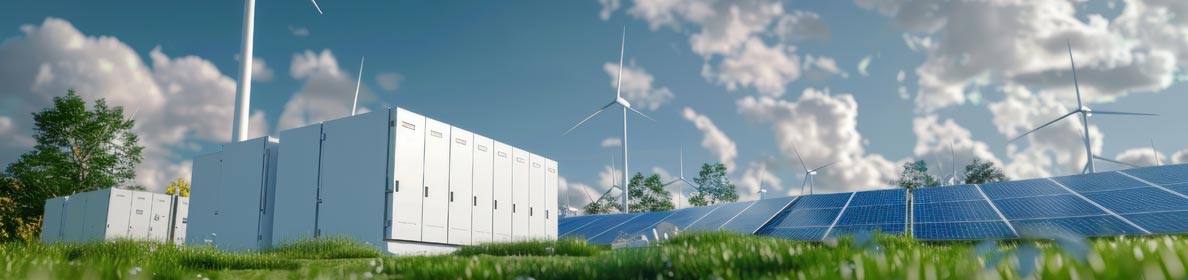
Energy Technology Solutions
Battery energy storage systems (BESS) store electricity and deliver it when generation and demand do not align. These stationary energy storage systems integrate rechargeable battery cells and modules with power conversion, controls, thermal management, and protective enclosures. BESS supports renewable energy integration, grid balancing, peak-demand management, backup power, microgrids, and resilient EV charging infrastructure. As electrification increases power demand across transportation, buildings, connected devices, and data-intensive infrastructure, reliable energy storage becomes increasingly important. Boyd combines engineered materials, thermal management, and precision manufacturing to help protect critical BESS interfaces from heat, electrical faults, environmental exposure, vibration, and mechanical stress-supporting safer, more reliable energy technology solutions.
Streamlined, Multi-Functional Solutions

Quick Design Cycles and Fast Prototyping

Greater Design Flexibility
What Are Energy Technologies and Why Do They Matter?
Battery energy storage systems (BESS) are central to modern energy infrastructure, storing electricity for use when generation and demand do not align. They support renewable energy integration, peak demand management, backup power, microgrids, and grid resilience. These systems depend on reliable protection for cells, modules, racks, power electronics, and enclosures. Boyd combines engineered materials and advanced manufacturing to address critical BESS interfaces while supporting the wider energy ecosystem. Related solutions help protect renewable energy equipment, power generation and distribution systems, microgrids, and EV charging infrastructure from heat, electrical faults, environmental exposure, vibration, and mechanical stress.Energy Technology Applications
Boyd supports energy generation, conversion, distribution, storage, and charging applications with engineered materials. Key applications include battery energy storage systems, renewable power equipment, microgrids, power electronics, grid infrastructure, and EV charging systems. BESS remains a primary focus because it connects renewable generation, resilient power, and reliable energy delivery.Boydのバッテリーソリューションが選ばれる理由

Our lightweight, high performance sealing solutions help you design larger batteries with greater power density.

過酷な環境や道路状況に耐えるバッテリーを堅牢化し、エネルギー貯蔵やEVバッテリーの寿命と航続距離を延長しています。

お客様の組み立てを簡素化し、製造設計(DFM)スループット、および材料を最適化するためのソリューションを設計します。
EVバッテリーパックのBoydの違い
私たちは安全性と信頼性を知っています。また、アプリケーションの電力密度、エネルギー使用率、回復、効率を最大化する専門家でもあります。当社は、60年以上にわたり、輸送、航空宇宙、防衛市場向けの設計および製造サポートの最前線に信頼性と安全性があることを証明し、テクノロジーの軽量化とコンパクト化のためのイノベーションを推進してきました。また、この伝統を先進産業での経験から得た革新的な製造プロセス、材料、テクノロジーと融合させ、EVバッテリーパックコンポーネントの設計と技術を安全かつ効率的に強化しています。熱暴走の上位3つの原因とその防止方法
トランスクリプトの表示
Maximize BESS Performance with Boyd’s Sealing Technologies
(トランスクリプトを見る)
Boydのバッテリー遺産
- Proven experience producing high-volume battery sealing and protection components
- 2 million + eMobility battery component installations
- More than 60 years of field-proven performance and over 1 billion units shipped in transportation, aerospace, and defense applications for trusted reliability in markets where safety is a key concern.
Ruggedize BESS Enclosures for Demanding Environments
Battery energy storage systems may operate outdoors, in industrial facilities, at renewable generation sites, or in remote locations. Enclosures must withstand rain, dust, humidity, temperature cycling, UV exposure, vibration, and repeated service access. Custom perimeter seals and gaskets, or enclosure seals or housing gaskets, protect cabinet doors, lids, access panels, and service interfaces against environmental ingress while supporting compression-set requirements, enclosure tolerances, and maintainability.EVバッテリーとエネルギー貯蔵資源


Manage Cell Swelling and Stack Pressure with Compression Pads
Prismatic cells expand and contract through charge cycling and aging. Without controlled compression, dimensional change can create uneven stack pressure, mechanical stress, and movement within the module. Boyd compression pads fit between prismatic cells to accommodate swelling, manage tolerance variation, maintain targeted stack pressure, and cushion vibration. Pads can be engineered for thickness, force-deflection behavior, compression set, and integration with adjacent dielectric or thermal-barrier layers.

Electrical Isolation Across the BESS Assembly
Dielectric films and barriers electrically isolate cell faces, module covers, busbars, and enclosure clearances without consuming unnecessary space. Custom electrical insulators protect terminals, support busbars, and isolate fasteners to maintain critical clearances and reduce the risk of shorts or arcing. Converted components can combine films, adhesives, and cushioning layers for reliable placement and simplified assembly.Control Heat, Ejecta, and Propagation with Integrated Barriers
A layered protection strategy helps manage the consequences of a cell failure. Thermal barriers between cells or modules slow heat transfer and propagation. Blast barriers positioned above cell vents help retain fragments and redirect hot ejecta toward intended vent paths. Insulation blankets under lids and near vent-facing zones provide transient heat shielding for enclosure surfaces, electronics, and adjacent modules. Material selection and placement should align with cell format, vent direction, electrical clearances, enclosure architecture, and qualification requirements.
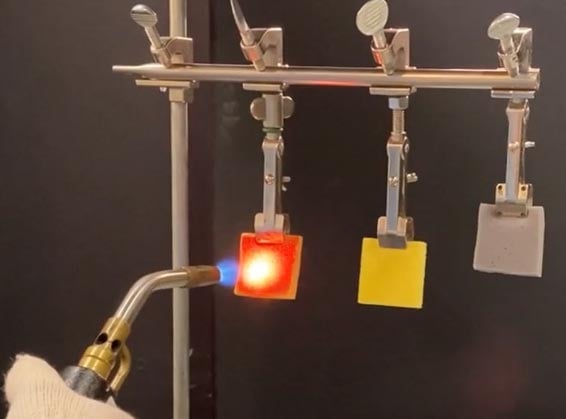
ソリミド®電池の絶縁と保護
ソリミド®は、耐火性、超軽量、無毒のフォームで、極端な高温と低温の両方で最高の性能を維持できます。非常に難燃性があり、多くの重要な用途で火炎バリアとして使用されます。ソリミド®は、炎に直接さらされても発火または燃焼せず、毒素を放出せず、煙もほとんど発生しません。圧縮性や振動減衰などの従来のフォーム性能特性を提供します。また、吸湿発散性がなく、加水分解安定性が高いため、水や水の重量を保持せず、液体への長時間の暴露に耐えることができます。バッテリーパックに適用すると、バッテリーパックレベルで二次防火機能として機能し、機械的振動と音響の両方を吸収しながら炎と火災を隔離し、より安全で静かで信頼性の高いバッテリーを実現します。
リチウムイオン電池の熱暴走の防止
追加のバックアップ安全機能を備えたリチウムイオン電池セルの適切な温度管理は、電池の熱暴走を防止したり、発生した場合に安全かつ迅速に対応したりするのに役立ちます。熱暴走防止は、最適化された設計から始まりますが、熱暴走伝搬から保護するコンポーネントも必要です。セル間アプリケーション向けに設計された多機能で複雑なバッテリーコンポーネントソリューションは、衝撃、振動、動きを吸収し、セルの熱を放散し、壊滅的なイベントが発生した場合に火炎または熱バリアとアイソレータとして機能します。振動、動き、摩擦を管理することで熱暴走イベントをプロアクティブかつ安全に防止し、万が一バッテリ安全設計機能がセル間の伝播を防止できない場合に極端な熱や火災を迅速に分離できるように設計できます。 Highly integrated thermal runaway prevention assemblies feature heat spreaders with compression pads and flame-rated electrical insulation to isolate li-ion battery cells.バッテリーストレージの熱暴走とEVバッテリーの熱暴走を防止、保護、および分離します。

環境暴露に耐えるバッテリーの耐久性
(トランスクリプトを見る)
How to Protect EV Batteries Against Collision and Thermal Runaway
(トランスクリプトを見る)
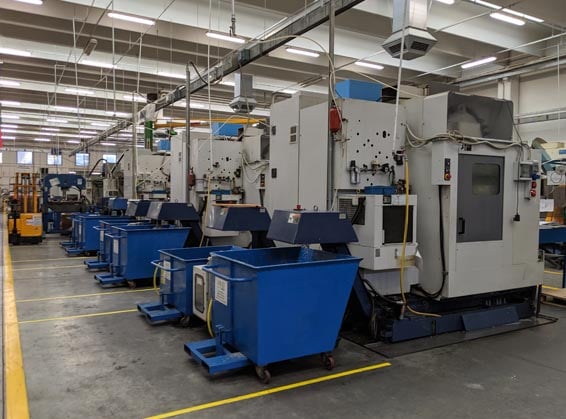
グローバルネットワーク&ローカルサポート
Boyd maintains nearly 20 ISO 9001 and nine multiple IATF 16949 certified manufacturing operations across three continents to assure our energy storage and eMobility components exceed the rigorous demands for quality management systems with adept regional support. Boydの顧客重視とリレーションシップ管理の文化は、最も要求の厳しいQMSシステムプロセスと一致しています。 By optimizing processes, organization, and efficiency, we reduce costs and increase yield rates with effective management and assembly processes, all while providing our customers with the highest quality products.未来のサステナビリティ規制の解決
Boydの世界的に利用可能な地域内のISO 14001認定製造事業と、eモビリティ、電気自動車、ハイブリッド電気自動車、自律性、エネルギー貯蔵のイノベーターとの長年のパートナーシップは、厳格な安全性と地域の環境要件を超え、進化する消費者のニーズを予測し、将来の持続可能性規制を解決する方法に影響を与えます。

Trusted Innovation in eMobility | EV Battery Thermal Runaway Solutions
eMobility Solutions | EV Thermal Runaway Protection |EV HMI Technology
EVバッテリーとエネルギー貯蔵の利点:
電気自動車の急速バッテリー充電のためにエネルギーを収集します。
より良い価格設定のために、より低い需要時間でエネルギーを購入します。
緊急時、特に病院やデータセンターなどの重要な場所やシステムのためにエネルギーを蓄えます。
風力発電所や太陽光発電所などの持続可能な電源の発電の信頼性を向上させます。
特にピーク稼働時間中に、グリッドの生産と需要のバランスを取ります。
EVバッテリーとエネルギー貯蔵の課題:
サポート機器と保護材は、バッテリーセルの利用可能な体積を減らし、エネルギー密度を低下させます。
Renewable on-site energy storage systems are located at solar or wind farms, which can be in remote locations.これにより、システムのメンテナンスが制限され、継続的に使用するために信頼性の高いシステムが必要になります。
EVバッテリーは、緊急時の脱出時間を増やすための衝突保護や耐火材料など、乗客の安全に関する厳しい安全基準を満たす必要があります。
Every gram counts in extending EV battery range, so protection must use lightweight, yet reliable solutions.
Boydの15 +年のバッテリーの専門知識を活用して、製品を強化します。
知っておくべき主要なバッテリーとエネルギーの用語

| 用語 | 定義 |
|---|---|
| シールとガスケット | バッテリーパック、バッテリーモジュール、およびバッテリーカバーを、温度の影響、空気、ほこり、水の浸入から密閉します。性能、防水性、シールを最適化しながら、圧縮永久歪みと力のたわみ、NVHおよびその他の機械的要因を考慮します。 |
| ベントフィルムとシール | 内部バッテリーアセンブリまたはパックの圧力、湿度、およびその他の環境要因を制御します。 |
| EMIシールド | 不要な外部電磁波をブロックすることにより、バッテリーパックおよびモジュールの電子誤動作の影響を受けやすくします。 |
| 多層熱暴走保護 | バッテリーセルとモジュール間の炎をシールド、ブロック、抑制するための高温、耐火フォームとフィルム。 |
| コンプレッションパッドとトレランスパッド | バッテリーセルの許容範囲スタックと温度サイクルの膨張と収縮を管理します。 |
| 電気絶縁とセルラッピング | 絶縁層はバッテリーセルとモジュールを包み込み、デバイスの短絡や火災につながる可能性のある内部の重要なコンポーネント間の火花電圧を防ぎます。 |
| バスバー用誘電体接着剤 | バッテリーアセンブリのフレキシブルプリント回路を保護して、デバイスの寿命を延ばします。 |
| サーマル インターフェイス マテリアル (TIM) | 冷却プレートとバッテリーモジュール間の熱伝達を促進し、敏感なコンポーネントから熱を遠ざけます。TIMは、インターフェースに出入りする熱流の抵抗を最小限に抑えるのに役立ちます。 |
| 細胞間結合 | 感圧接着剤は、ポーチとプリズムセルを結合して、バッテリーパックアセンブリの構造的完全性を高めます。 |
Energy Technology and BESS FAQs
What is a battery energy storage system (BESS)?
A battery energy storage system (BESS) stores electrical energy in rechargeable batteries and delivers it when needed. A typical BESS integrates battery cells and modules with power conversion, thermal management, controls, and protective enclosures to support renewable energy integration, peak-demand management, backup power, microgrids, and grid resilience.Are there eco-friendly battery cooling solutions?
Yes. More sustainable battery cooling solutions can improve energy efficiency, optimize material use, and support longer system life. Thermal interface materials transfer heat from battery cells or modules to cooling plates, while lightweight insulation and integrated components can reduce part count and material waste. The right approach depends on the battery architecture, operating environment, cooling requirements, and performance targets.What role does cooling play in battery safety?
Cooling helps maintain battery cells and modules within their specified temperature range, reducing overheating and temperature gradients that can degrade performance and increase thermal-runaway risk. Effective thermal management supports safer, more reliable operation across changing loads and environmental conditions, but it is one part of a broader battery safety strategy.What protection materials are commonly used in a BESS?
Common BESS protection materials include environmental seals that limit dust and moisture ingress; dielectric films and electrical insulators that maintain electrical isolation; compression pads that manage cell swelling and stack pressure; thermal interface materials that transfer heat to cooling systems; and thermal barriers, blast barriers, and insulation blankets that help manage heat, fragments, hot ejecta, and propagation during a thermal event.How do environmental seals protect a BESS enclosure?
Environmental seals protect a BESS enclosure by limiting the ingress of dust, moisture, and contaminants that can compromise reliability. Custom foam or rubber gaskets seal cabinet doors, lids, access panels, and service interfaces while accommodating enclosure tolerances, compression requirements, and repeated opening during maintenance.What is the difference between a thermal barrier and a blast barrier?
A thermal barrier is positioned between cells or modules to slow heat transfer and help limit thermal runaway propagation. A blast barrier is typically positioned near or above cell vents to help retain fragments and redirect hot ejecta along engineered vent paths, away from adjacent cells and sensitive equipment.What do thermal interface materials do in a BESS?
Thermal interface materials (TIMs) fill air gaps between a battery cell or module base and a cooling plate. By conforming to surface irregularities and reducing thermal contact resistance, they improve heat transfer into the cooling system and support more consistent battery temperatures.How do dielectric films and electrical insulators improve BESS safety?
Dielectric films and custom electrical insulators create electrical separation around cell faces, module covers, terminals, busbars, fasteners, and enclosure clearances. They help maintain required clearances and reduce the risk of short circuits or arcing while using minimal space within the BESS assembly.How do engineered materials help protect a BESS from thermal runaway?
Engineered materials help protect a BESS from thermal runaway through prevention, containment, and propagation control. Dielectric films and electrical insulators help prevent electrical faults. Compression pads manage cell movement and stack pressure. Thermal barriers slow heat transfer between cells or modules, blast barriers help contain fragments and redirect hot ejecta, and insulation blankets shield nearby enclosure surfaces and components.What factors should be considered when selecting BESS protection materials?
BESS protection material selection should account for the battery design, operating environment, integration needs, and validation requirements. Key factors include cell format, vent direction, electrical clearances, enclosure architecture, environmental exposure, operating temperature, dimensional tolerances, service access, attachment methods, and qualification requirements.Can multiple BESS protection functions be combined into one component?
Yes. Depending on performance requirements and component architecture, a converted multilayer component can combine sealing, electrical isolation, cushioning, insulation, and thermal-management functions. Boyd integrates films, foams, adhesives, elastomers, and insulation to reduce part count, support consistent placement, and simplify BESS assembly.Why are compression pads used between prismatic battery cells?
Compression pads are placed between prismatic battery cells to accommodate cell swelling, maintain targeted stack pressure, absorb dimensional tolerance variation, and reduce mechanical stress throughout charge cycling and aging. These functions help support stable cell positioning and reliable module performance over time.Build Safer, More Reliable Energy Systems with Boyd
Build safer, more reliable energy systems with proven expertise: more than 1 million EV battery seals installed in today's leading electric vehicles and more than 2 million eMobility battery component installations. Benefit from more than 60 years of field-proven performance and over 1 billion units shipped across transportation, aerospace, and defense applications-experience that supports trusted reliability where safety is critical. Partner with Boyd to simplify assembly, protect critical interfaces, and accelerate the development of dependable energy technologies from component to system.



ご不明な点やご質問などがありましたらお気軽にお問い合わせください。